

Mayan Abdominal Massage
“The uterus is a woman’s center of gravity.”
— Rosita Arvigo
A traditional healing practice of the abdomen and pelvis
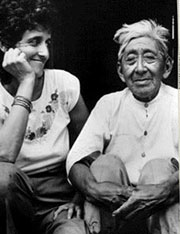
Mayan Abdominal Massage is a gentle external bodywork therapy rooted in the traditional healing practices of the Maya of Central America. These techniques were shared through the lineage of the Maya healer Don Elijio Panti and later brought forward through the work of Dr. Rosita Arvigo.
This therapy focuses on the abdomen, pelvis, sacrum, and lower back. These areas hold and support many of the body’s vital organs and play an essential role in digestion, reproduction, circulation, and the movement of fluids throughout the body.
Through slow and attentive touch, this work supports healthy circulation of blood, lymph, nerve flow, life-force and breath within the abdominal and pelvic regions. When circulation and mobility in these tissues are supported, the body often has a greater capacity to maintain balance and healthy functioning of the organs.
As part of this tradition, healing has always included both physical and spiritual care. In the Maya healing tradition, prayer, plant energy, and spiritual cleansing practices are sometimes used to support balance and harmony within the body and spirit.
When appropriate, these elements may be gently woven into a session. They can also be received as their own offering for those who feel called to this type of support. If you are curious to learn more about these practices, you can read more about them on the Plant Spirit Cleansing page in my other offerings.
Supportive home-care practices may also be suggested when appropriate. These can include the use of castor oil packs to encourage circulation and relaxation in the abdomen, traditional pelvic steaming practices, or the gentle use of a faja (a supportive abdominal wrap) to help maintain warmth and support within the pelvic and abdominal space. These practices are offered as optional tools that can help extend the benefits of the session and support ongoing care of the body.
The abdomen as a center of the body
In traditional Maya healing the abdomen is understood as an important center of the body. Many physical and energetic systems meet in this area, including the digestive organs, reproductive organs, and major circulatory pathways.
When the organs of the abdomen and pelvis are able to move freely and remain in healthy alignment, circulation and communication throughout the body are supported. Stress, injury, emotional holding, or physical strain can sometimes create tension or stagnation in this region. Over time this may influence digestion, reproductive health, or comfort in the lower back and pelvis.
Mayan Abdominal Massage works gently with the tissues of the abdomen and pelvis to encourage circulation, mobility, and balance. The intention of the work is not to force change but to support the body’s natural ability to reorganize and restore harmony within these systems.


What this work may support
Because the abdomen is closely connected to many systems of the body, supporting this area can influence overall well-being.
Many people seek this work for digestive concerns such as bloating, sluggish digestion, or abdominal tension. Others receive this therapy to support menstrual health, fertility, postpartum recovery, or a sense of congestion or discomfort within the pelvic region.
The work may also bring relief to the lower back and sacrum by supporting the relationship between the pelvis, spine, and surrounding tissues.
For some people the session becomes an opportunity to reconnect with the center of the body and cultivate a deeper awareness of the abdomen and pelvis.
What happens during a session
Sessions are gentle, non-invasive and deeply trauma informed by my work with Biodynamic Craniosacral Therapy. The work is performed externally on the abdomen, hips, sacrum, and lower back with an organic, neutral oil while you remain appropriately draped.
A session begins with time to settle and arrive in the body. From there, slow and attentive massage techniques are applied to the abdomen and sacral area to encourage circulation and ease within the tissues.
The pace of the work allows the body time to respond naturally. Many people experience the session as deeply relaxing, grounding, and supportive to the nervous system.
Self-care and integration
An important aspect of this tradition is empowering clients to care for their bodies between sessions.
You may be shown a simple abdominal self-massage technique that can be practiced at home. This gentle practice helps maintain circulation within the abdomen and allows the benefits of the work to continue unfolding over time. We will also do a short meditation for connecting with the womb space at the end of learning self-care. This is the real gift and magic of receiving a session!
When sessions should be avoided
Mayan Abdominal Massage is not performed during pregnancy or when certain acute abdominal conditions are present. If you have recently had abdominal surgery or have specific medical concerns, it is best to reach out before booking so we can determine whether this work is appropriate for you at this time.
Session Pricing
Mayan Abdominal Massage
90-minute session
$140
Each session includes time for conversation, the hands-on therapy, and space afterward to integrate the work and discuss supportive home-care practices when appropriate.
Supportive therapies such as castor oil packs, pelvic steaming guidance, or faja support may be discussed as part of your care.
Complimentary 15-Minute Consultation
If you are new to this work or unsure if this therapy is right for you, you are welcome to book a complimentary 15-minute phone or video call.
This is simply a space to ask questions, learn more about the work, and see if it feels like a good fit for your needs.

with gratitude for lineage
The techniques used in this work come from the traditional healing practices of the Maya of Central America and were shared through the teachings of Don Elijio Panti. These teachings were later carried forward through the work of Rosita Arvigo, who helped bring this knowledge to a wider community of practitioners.
My training in this tradition comes through the teachings of Tul'ix Indigenous Arts. This work is offered with deep gratitude and respect for the lineage of healers, teachers, and elders who have preserved and shared these practices.
I also offer this work with respect for the lands where I live and practice on Manitoulin Island, known traditionally as Mnidoo Mnising, meaning “Island of the Great Spirit.” This island is the traditional homeland of the Anishinaabe peoples, including the Ojibwe, Odawa, and Potawatomi Nations. I acknowledge these lands and waters with respect and gratitude, and honor the enduring presence, knowledge, and traditions of the Indigenous communities who continue to care for this place.