Registered Biodynamic Craniosacral Therapy
Gentle, nervous system-based therapy supporting trauma healing, deep relaxation, and the body’s natural ability to restore balance.
Biodynamic Craniosacral Therapy (BCST) is a subtle and profound form of bodywork that involves years of professional training and dedicated clinical practice. It is a gentle, body-based therapy that uses light touch to support the nervous system in releasing stress, trauma, and tension held in the body. Through subtle contact and deep listening, the body is given the space it needs to settle, reorganize, and return to balance, supporting mental, emotional, and physical well-being.
Our bodies carry our life experiences. Stress, injuries, emotional events, and even early developmental or birth experiences can remain held within the nervous system and tissues of the body. Over time this may show up as chronic pain, digestive issues, anxiety, fatigue, emotional distress, or patterns that feel difficult to shift.
Biodynamic Craniosacral Therapy works with the natural rhythms of the craniosacral system, including the cranium, sacrum, and connective tissues, allowing deeply held patterns to gradually unwind. The practitioner’s skill, training, and trauma-informed understanding of the nervous system are essential for perceiving these subtle motions, tracking tension and release in the tissues, and witnessing what the body is expressing. Through a safe relational space and careful presence, the body is supported in letting go of held stress, allowing it to restore balance on its own terms.
One of the most beautiful aspects of this work is that every session is unique. Rather than following a one-size-fits-all approach, BCST respects the wisdom of your system. My role is not to force change, but to listen carefully, observe, and support what your body is already trying to do. Together we create a space where your nervous system can slow down, settle, and reconnect with its natural capacity for healing.
Training and Credentials
I am a Registered Craniosacral Therapist (RCST) with the Biodynamic Craniosacral Therapy Association of North America. This designation reflects the completion of a comprehensive two-year professional training of over 700 hours in Biodynamic Craniosacral Therapy with Dr. Kate Klemer, including anatomy, physiology, trauma-informed practice, and supervised clinical work.
What to Expect in a Session
Sessions begin with a short conversation about how you are feeling and what is present in your life and body that day. This allows us to arrive together and understand what your system may be needing.
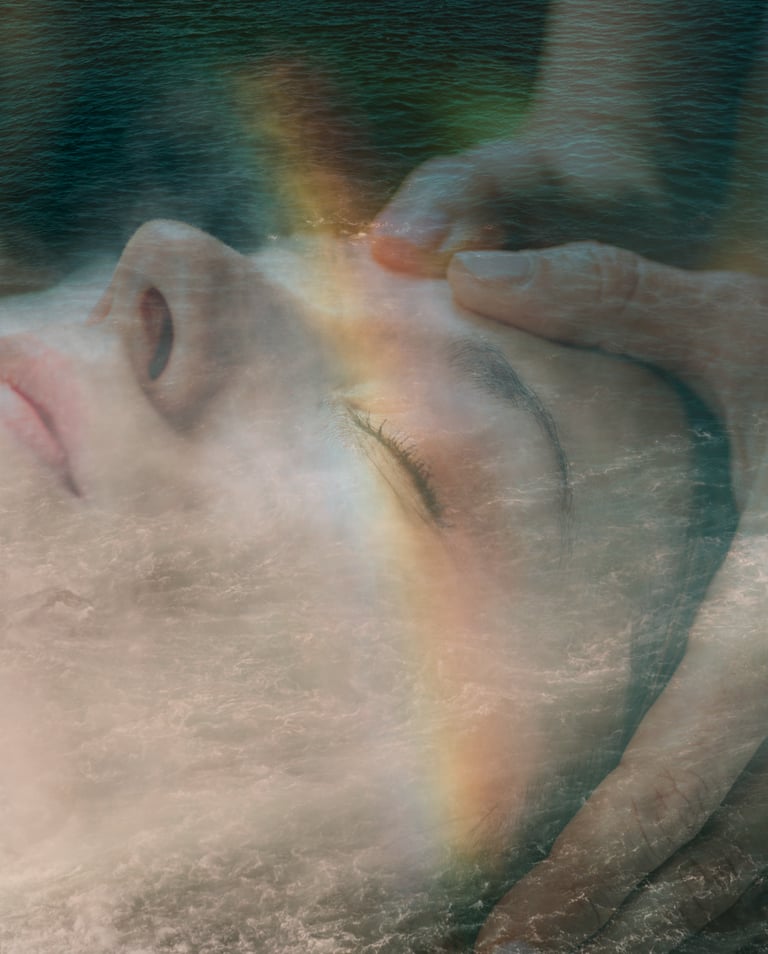
You will then lie comfortably on a treatment table, fully clothed, while I make gentle contact with different areas of the body such as the feet, sacrum, diaphragm, or head. Using a very light touch, I listen through the tissues, fluids, and rhythms of the body.
This quiet listening allows the nervous system to settle and gives the body space to release tension or held trauma at its own pace. Your comfort and consent are always central to the session, and you are welcome to communicate your needs at any time.
Biodynamic Craniosacral Therapy has roots in osteopathic medicine and works with the subtle rhythms of the craniosacral system and the body’s inherent capacity for healing. Rather than trying to fix or force change, this approach emphasizes deep listening, presence, and respect for the wisdom of each person’s system. The intention is always to meet you where you are and support the natural intelligence of your body. Many people find that this gentle approach allows the nervous system to relax in a way that deeper healing can begin.


“Be still and know.”
— William Garner Sutherland

Conditions BCST May Support
Stress and nervous system dysregulation
Trauma, emotional overwhelm, and held experiences in the body
Anxiety, or difficulty slowing down and relaxing
Chronic pain, tension, and headaches
Digestive discomfort and gut-related imbalances
Fatigue, burnout, and low energy
Recovery from injury, illness, or surgery
Birth, postpartum, and early developmental experiences
BCST can also be a supportive complement to other medical or therapeutic treatments.
What clients often notice
Every person’s experience with BCST is unique. Some people notice shifts immediately, while for others changes unfold gradually over time as the nervous system settles and reorganizes. Here are the common experiences people may have:
a deep sense of relaxation or calm
feeling more grounded or present in their body
reduced physical tension or pain
improved sleep
a quieter or more settled mind
greater emotional balance
a feeling of spaciousness or lightness in the body
increased body awareness and connection to inner sensations
easier breathing or a sense of openness in the chest or diaphragm
greater resilience to stress in daily life
Some people also notice subtle shifts in how their body processes emotions or stress. Feelings or memories may gently arise and move through the system in a way that feels more manageable and integrated.
Many clients experience this work as an opportunity for the body to remember its natural state of balance and health. In the biodynamic understanding, the body carries an inherent blueprint for wholeness, and when given the right conditions of safety and support, it naturally begins to orient toward that health.
Because this work supports the body’s own healing processes, changes often unfold in ways that are unique to each person.
Is Biodynamic Craniosacral Therapy Right for You?
This work may be supportive if you are feeling overwhelmed, carrying stress or trauma in your body, experiencing chronic tension or pain, or simply longing for a space to slow down and reconnect with yourself.
You do not need to have a specific problem to benefit from this work. Many people come simply to support their nervous system, process life experiences, and cultivate greater balance and well-being.
60-minute BCST session
$100
90-minute BCST session
$150
If you’ve been feeling overwhelmed, stuck in stress, or disconnected from your body, this work offers a gentle place to begin.
I offer a small number of reduced rate New Client Intro Sessions each month for those who feel called to explore this work.
New Client Intro Session — $90
60 or 90 minutes flat-rate
✧ Limited availability each month ✧
Each session includes time for conversation, hands-on therapy, and integration. Sessions are held at Jaguar Spirit in Gore Bay and can also be held online.
Free 15-Minute Consultation
If you are curious about this work but unsure whether it is the right fit for you, I offer free 15-minute phone consultations. This is an opportunity for us to briefly connect, talk about what you are experiencing, and see if Biodynamic Craniosacral Therapy may be supportive for you.

A Gentle Invitation
Healing happens in spaces where we feel safe, listened to, and supported. Biodynamic Craniosacral Therapy offers a quiet and respectful approach that allows the body to move at its own pace.
If this work resonates with you, I would be honored to support you.
You are welcome to book a session or schedule a free consultation if you would like to connect first.
Frequently asked questions
How many sessions will I need?
Healing through Biodynamic Craniosacral Therapy often unfolds gradually. While some people notice shifts after a single session, many find it helpful to receive a small series of sessions so the body and nervous system have time to settle and integrate change.
A general guideline is:
• 1–2 sessions may be helpful for acute stress or when you are simply seeking support and relaxation.
• 3–6 sessions often allow deeper patterns to begin shifting and can support more lasting change.
• 6–10 sessions may be beneficial for long-standing or chronic concerns.
Every person is different, and the pace of healing is unique to each individual. After an initial series, some people choose to return occasionally for ongoing support, while others simply come back whenever they feel called.
What does healing look like?
Healing can look like entering a place of deep stillness, feeling profoundly peaceful, grounded, and connected to a sense of wholeness within yourself. In a session, I make gentle contact with different parts of the body and listen with my hands and awareness to the subtle rhythms and movements within the system. This includes tuning into the bones, tissues, fascia, and fluids, while also sensing the wider story held within the body.
The work unfolds slowly and respectfully. I am listening for the inherent health within your system and supporting your body’s natural capacity to reorganize and return to balance. My role is to observe with neutral curiosity and bring awareness to what is arising in the moment.
At times, healing may involve the body processing deeper imprints such as early life experiences, birth patterns, or ancestral influences. Activation held within the nervous system is approached through titration, meaning small amounts are gently met and integrated so the system is not overwhelmed. As these imprints are processed and the nervous system settles, the body often begins to reorganize physically as well. This can support improved structural alignment, greater ease along the spine, and a more fluid movement of forces throughout the system.
Over time, this process can support greater regulation, resilience, and a deeper sense of ease within yourself.
What does receiving a session feel like?
Sessions are typically very gentle and deeply relaxing. You will lie fully clothed on a treatment table while I make light contact with different areas of the body, such as the head, spine, sacrum, or feet. Many people describe the experience as similar to an assisted meditation, where we enter a quiet, attentive state together.
The relational field between practitioner and client is an important part of the work. Through presence, attunement, and co-regulation, the nervous system often begins to settle and shift into a more balanced state. In this environment, the body can access its natural capacity to heal and reorganize.
Sometimes the session is quiet and spacious, allowing you to rest deeply and simply notice what is happening within your body. Other times we may be in gentle conversation, bringing awareness to sensations, emotions, or images that arise. Naming and orienting to these experiences can help bring clarity and support the body in processing and integrating what is unfolding.
People may notice sensations such as warmth, subtle movements or pulsing in the tissues, emotional release, or a deep sense of calm and stillness. Each session is unique, but many leave feeling more grounded, regulated, and connected within themselves.
Is Craniosacral Therapy safe?
Yes. Biodynamic Craniosacral Therapy is a very gentle and non-invasive modality that works with light touch and the body’s natural rhythms. Because of its subtle and respectful approach, it is considered safe for people of all ages, including babies, children, adults, elders and even pets.
Sessions are guided by the body’s own pace and capacity, which helps ensure that any shifts or releases happen gradually and safely. Rather than forcing change, the work supports the nervous system in settling and allows the body’s inherent healing processes to emerge.
The approach emphasizes safety, resourcing, and careful titration so the system is not overwhelmed. If you have a specific medical condition or recent injury, it is always a good idea to discuss this with your practitioner before beginning sessions.
Do I need to do anything during the session?
No. There is nothing you need to do during a session. Your role is simply to rest and gently notice what you are experiencing in your body. The main invitation is to practice staying in the present moment and allowing your awareness to follow sensations, feelings, or areas of ease as they arise.
Sometimes we remain quiet and spacious, while other times we may be in gentle conversation to help bring awareness to what you are noticing. This can help deepen the body’s ability to process and integrate what is unfolding.
There is no right or wrong way to experience a session. Your body naturally knows how to settle, process, and move toward balance when given time, presence, and a supportive environment.